


CashCow - Play & Earn Money
4.13.07K Reviews
App Specs
- Version
- 1.58.2
- Updated On
- License
- Free
- Downloads
- 500,000+
- Developer
- CashCow Play & Earn
- Categories
- Lifestyle
- Platform
- Android
Screenshots

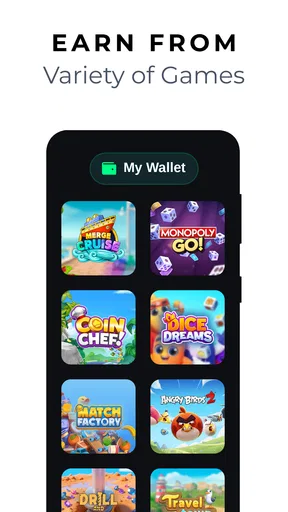
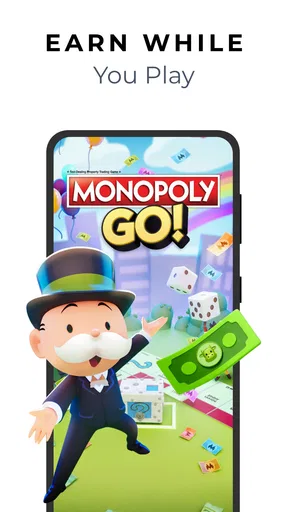
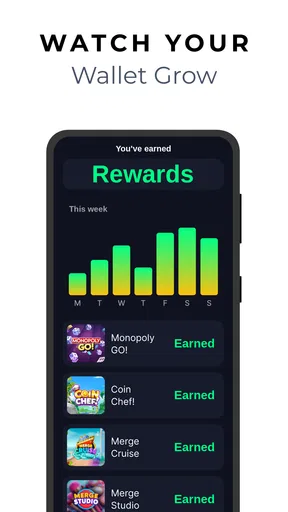
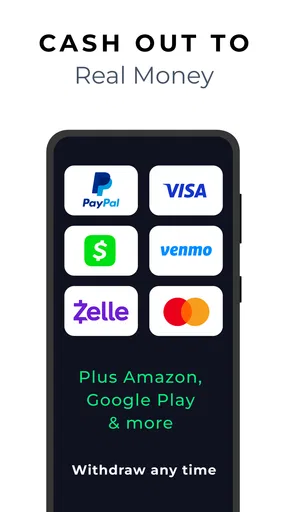
 Analysis by AppCompare
CashCow - Play & Earn Money is a lifestyle app built around the idea of turning ordinary phone use and daily movement into an opportunity to earn. I approached it with modest expectations because “get paid to play” apps can feel more like a reward tracker than a dependable income source. That distinction matters here: the app is free to download, but free access is not the same thing as guaranteed earnings.
In my experience, the appeal is easy to understand. If I am already commuting, passing time, or looking for something casual to do on my phone, an app that may add rewards to those routines sounds more useful than another purely passive entertainment app. CashCow Play & Earn is the developer behind it, and the product sits in the lifestyle category rather than presenting itself as a conventional banking or employment tool.
The store summary focuses on getting paid while playing and commuting, with cash-out as the central promise. I would therefore judge it less like a game with a deep story or competitive system and more like a rewards companion. The important question is not whether it can replace a job; it is whether the time, attention, and routine changes required feel worthwhile for the rewards available to an individual user.
How the free model affects its real value
The app is free, which removes the biggest financial barrier to trying it. I do not have to commit to a purchase before finding out whether the earning approach fits my routine. That makes a short, cautious trial reasonable, especially for someone who already spends time on mobile activities and wants to see whether rewards improve that time.
At the same time, “free” should be read carefully. It describes the cost of access, not the amount a person will earn, the speed of earning, or the practical value of a cash-out. Those are separate questions. I would not install CashCow expecting the download itself to create income. The sensible approach is to treat any reward as a bonus and to avoid changing spending habits merely to chase it.
The app has a mature seventeen-plus content rating, so it is not positioned as a children’s reward tool. That is relevant for families: I would not hand it to a younger user simply because the concept sounds harmless. Adults should also be comfortable reviewing the app’s on-screen instructions and the choices involved in using a rewards service before investing significant time.
CashCow has reached over five hundred thousand installs, with an average rating of 4.1 from around fourteen thousand ratings. Those figures suggest that the concept has attracted a meaningful audience, but they do not turn the app into a guaranteed earning method. Ratings can reflect ease of use, entertainment, expectations, and individual experiences all at once. I see them as a reason to investigate rather than proof of a particular return.
Worth Reading Before You Choose

EA SPORTS FC Mobile 26 Is a Bigger Football Game, but It Takes Time

Flipboard Shows What News Apps Must Do Beyond the Feed

Switching to Android Auto Means Rethinking Your Driving Routine

Google Calendar Makes a Crowded Week Easier to Manage

Ludo King Makes the Most of the Minutes Between Plans

Baby Panda World Brings Quick Play to Modern Phones, but Its Game Library Feels Busy
The current version is 1.58.2, and it runs on Android seven point zero or later. For someone using an older Android phone, that minimum requirement is useful to check before planning around the app. Compatibility alone does not tell me whether the experience will be smooth, but it does establish that the app is aimed at a broad range of Android devices rather than only the newest models.
What the app is really offering
The strongest interpretation of CashCow is convenience: it tries to connect rewards with activities that may already be part of a user’s day. The commuting angle is especially interesting because it suggests a use case beyond sitting down for a dedicated gaming session. A train ride, bus trip, or waiting period can become a time when I check the app rather than opening another unrelated service.
That convenience has a limit. A commute is not automatically productive just because a rewards app is open. If I need to watch the screen constantly, complete repetitive tasks, or interrupt my normal routine, the reward may not justify the attention. I would use it only when the activity remains safe and secondary, particularly while travelling. It should never distract me while driving, cycling, crossing roads, or handling anything that requires concentration.
The play-and-earn framing also needs realistic expectations. I would not compare this with a full game that offers rich progression, detailed controls, or a long-term community. The entertainment is likely to serve the reward loop, not the other way around. That can suit people who want brief sessions, but it may disappoint players looking for a polished gaming experience that stands on its own.
Compared with ordinary cashback services, CashCow appears more connected to play and routine activity than to shopping alone. Cashback is often easiest to understand when a user was already going to make a qualifying purchase. A play-and-earn app creates a different tradeoff: the user may spend time rather than money, but time is still a real cost. Compared with survey apps, the attraction is potentially more casual and less dependent on answering lengthy questionnaires, yet the value can be harder to judge before a user has tried the actual earning flow.
Compared with a normal mobile game, the reward purpose is the key difference. A regular game may provide entertainment, progress, or social competition without promising cash. CashCow adds a financial motivation, but that motivation can make small inconveniences feel more noticeable. If a task takes longer than expected, requires repeated attention, or makes cash-out feel distant, I am more likely to question the whole session than I would in a game I installed purely for fun.
Practical ways I would use it
My preferred workflow would be deliberately limited. I would install the app, review the earning and cash-out instructions, and try it during a period when I already have spare time. I would not begin by reorganizing my commute or spending extra money. Instead, I would observe how clearly the app explains progress and whether the effort feels natural after several ordinary sessions.
A realistic example is a regular public-transport commute. I might open CashCow after boarding, use it only when seated and safe, and stop before reaching my destination if the activity becomes distracting. The useful comparison is not “How much did I earn today?” but “Would I have spent this time on my phone anyway?” If the answer is yes, the app may offer incremental value. If I am using it only because I feel pressured to reach a reward, the tradeoff is less attractive.
A second useful approach is to separate experimentation from expectation. I would keep notes on how often I use the app, what kinds of activities I complete, and how the cash-out process is presented. This is not about treating a casual app like a business ledger; it simply prevents a vague feeling of progress from replacing an honest assessment. Track the time you give it, not just the reward you hope to receive.
Another non-obvious consideration is opportunity cost. A reward app can compete with reading, listening to a podcast, messaging family, or simply resting during a commute. If CashCow makes a routine feel more engaging without taking away something I value more, that is a reasonable win. If it turns every idle moment into another obligation, the free price no longer means it is costless.
I would also avoid treating the app as a reason to make unnecessary purchases or use mobile data carelessly. The fact that access is free does not mean every action related to earning is financially neutral. Before committing to any activity, I would check what the app itself says on-screen about requirements, eligibility, and cash-out. That habit protects against building an assumption around a reward that may depend on conditions I have not read.
Where the experience may create friction
The largest limitation is the gap between a reward promise and dependable income. A user may enjoy the idea of being paid for time that would otherwise be idle, but the result is still likely to depend on consistency, available activities, and the individual cash-out path. I would be uncomfortable recommending it to anyone who needs predictable money for bills. A free rewards app is not a substitute for paid work, savings, or a clearly defined financial product.
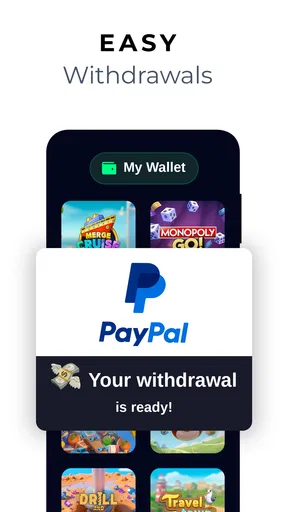
Cash-out is another point where expectations need discipline. The store summary makes withdrawing rewards a central part of the product, but I would still read the in-app instructions carefully before assuming that reaching a displayed balance automatically means immediate payment. The practical details of any rewards service matter: thresholds, verification steps, timing, and eligibility can shape the experience as much as the earning activities themselves.
This is also why I would not judge the app after a single short session. A first session may feel exciting because the concept is new, while later use reveals whether the routine is repetitive. On the other hand, a brief trial can expose an immediate mismatch: if I dislike the available activities or find the progress difficult to understand, there is no reason to keep forcing the experiment simply because the download was free.
The mature rating may also affect who should use it. Adults can make their own decision about whether the reward tradeoff is worthwhile, but the rating is a reminder not to present it as a child-friendly allowance system. Parents looking for educational money tools or controlled family earning experiences should choose something designed specifically for that purpose rather than assuming CashCow fills that role.
Privacy and attention are practical concerns with any app that accompanies movement or repeated phone use. I would pay attention to the permissions and settings shown during setup, keep the app from interrupting safety-critical moments, and remove it if the routine becomes uncomfortable. I am not interested in earning a small reward at the cost of constant notifications, distracted travel, or a phone habit I did not want.
Who is most likely to get value
CashCow makes the most sense for an adult who already enjoys casual mobile activities and has predictable pockets of spare time. That could include a commuter who sits on public transport, someone who likes trying reward-based apps, or a user who wants an optional activity rather than a serious income stream. These people can evaluate it fairly because they are not depending on it to solve a financial problem.
It may also suit someone who prefers a low-commitment experiment. Since there is no purchase price, the initial decision is relatively simple: try it carefully, understand the rules, and stop if the time-to-reward balance feels poor. The free entry point is valuable here because it lets the user test the concept without paying for access to a promise.
I would recommend skipping it if your main goal is reliable earnings, transparent hourly pay, or a deep game with substantial content. A conventional part-time opportunity is better for predictable income. A normal game is better if entertainment quality matters more than rewards. A cashback service may be a better fit if your preferred earning habit is connected to purchases you were already planning to make, while a survey platform may suit someone who prefers clearly defined question-and-answer tasks.
I would also skip it if you are easily drawn into repetitive reward loops. The psychological pull of “one more task” can make a small return feel more important than it is. Setting a time limit before opening the app is a simple safeguard. If the app cannot fit inside that boundary, the problem is not the lack of a purchase price; it is that the attention cost has become too high.
My verdict on trying it
My view is cautiously positive, with the free price doing most of the work in its favor. CashCow is worth testing for adults who want a casual rewards companion and can treat earnings as an extra rather than a promise. The commuting and play angle gives it a more everyday identity than a purely transactional app, and the existing audience indicates that the concept is not obscure.
Still, I would not recommend installing it with a fixed income target. The right test is practical: use it during spare time you already have, read the cash-out guidance before investing effort, and compare the reward with the minutes and attention spent. If it makes an otherwise empty routine slightly more enjoyable, it has delivered useful value without asking for a purchase.
If the experience becomes repetitive, distracting, or unclear about the path from activity to cash-out, I would move on without feeling that I had lost money. That is the advantage of a free trial, but it is also the standard the app must meet. CashCow is best viewed as a small optional bonus for spare moments, not as a replacement for income or a guaranteed financial tool.
For my recommendation, I would say try it once if the play-and-earn idea genuinely fits your habits, especially during safe, idle commuting time. Keep expectations modest, protect your attention, and let the actual effort-to-reward balance decide whether it stays on your phone. That makes it a reasonable lifestyle experiment, but not an automatic choice for everyone.
Pros
- Simple games make it easy to start earning rewards.
- Offers multiple ways to collect points beyond gameplay.
- Clear reward goals help track progress toward redemption.
- Suitable for short play sessions during spare time.
- Free to download with no upfront payment required.
Cons
- Earnings are usually small and may require considerable time.
- Reward availability can vary by location and user account.
- Frequent ads may interrupt gameplay and reduce enjoyment.
- Some offers may require personal details or third-party sign-ups.
- Withdrawal methods and minimum payout rules may change.
FAQs for CashCow - Play & Earn Money
What is CashCow - Play & Earn Money, and how does it work?
CashCow - Play & Earn Money is a rewards app that lets users collect points or virtual earnings by completing activities such as playing selected games, trying partner offers, answering surveys, or reaching specific milestones. After installing the app, you normally choose an available task, follow its instructions, and wait for the reward to be credited. The exact activities, rates, and availability can vary by country, device, and promotional campaign.
Can you really make money with CashCow, and how much can users earn?
CashCow may provide small rewards for completing eligible activities, but it should not be treated as a replacement for a job or a reliable source of income. Earnings depend on the number of offers available, the time required, your location, and whether tracking works correctly. In practice, users should expect modest returns and carefully compare the effort required with the value of the final payout before spending significant time in the app.
How do withdrawals work, and what payout options are available?
Cash-out methods, minimum withdrawal thresholds, processing times, and supported currencies may differ according to your region and account status. Before completing many tasks, open the rewards or withdrawal section and check the currently listed options, such as digital gift cards, payment services, or other supported methods. Make sure your account details are accurate, because incorrect information, duplicate accounts, or suspicious activity can delay or prevent a payout.
What permissions and personal information does CashCow require?
Reward applications commonly request information needed to create an account, verify eligibility, personalize offers, prevent fraud, and track whether a promoted game or activity was completed. Depending on the features you use, CashCow may request access to device or advertising identifiers, usage information, and account details. Review the app’s current privacy policy and Android or iOS permission prompts, and avoid granting access that is unrelated to the rewards you intend to claim.
What should I do if a task is not tracked or my reward is missing?
If a task fails to track, first confirm that you installed the promoted app through CashCow, used the same device and account, and followed every requirement within the stated time limit. Avoid ad blockers, VPNs, cloned apps, or reinstalling the offer, since these can interfere with attribution. Save screenshots and completion details, then contact in-app support promptly. Keep in mind that third-party offers may have separate validation rules and rewards are not always guaranteed.


